

The Oxford Poverty and Human Development Initiative (OPHI) is a research centre working on the multidimensional measurement of poverty and wellbeing to help guide effective policymaking around the world. We are based in the Oxford Department of International Development at the University of Oxford, but our focus is global with particular attention paid to countries in developing regions.
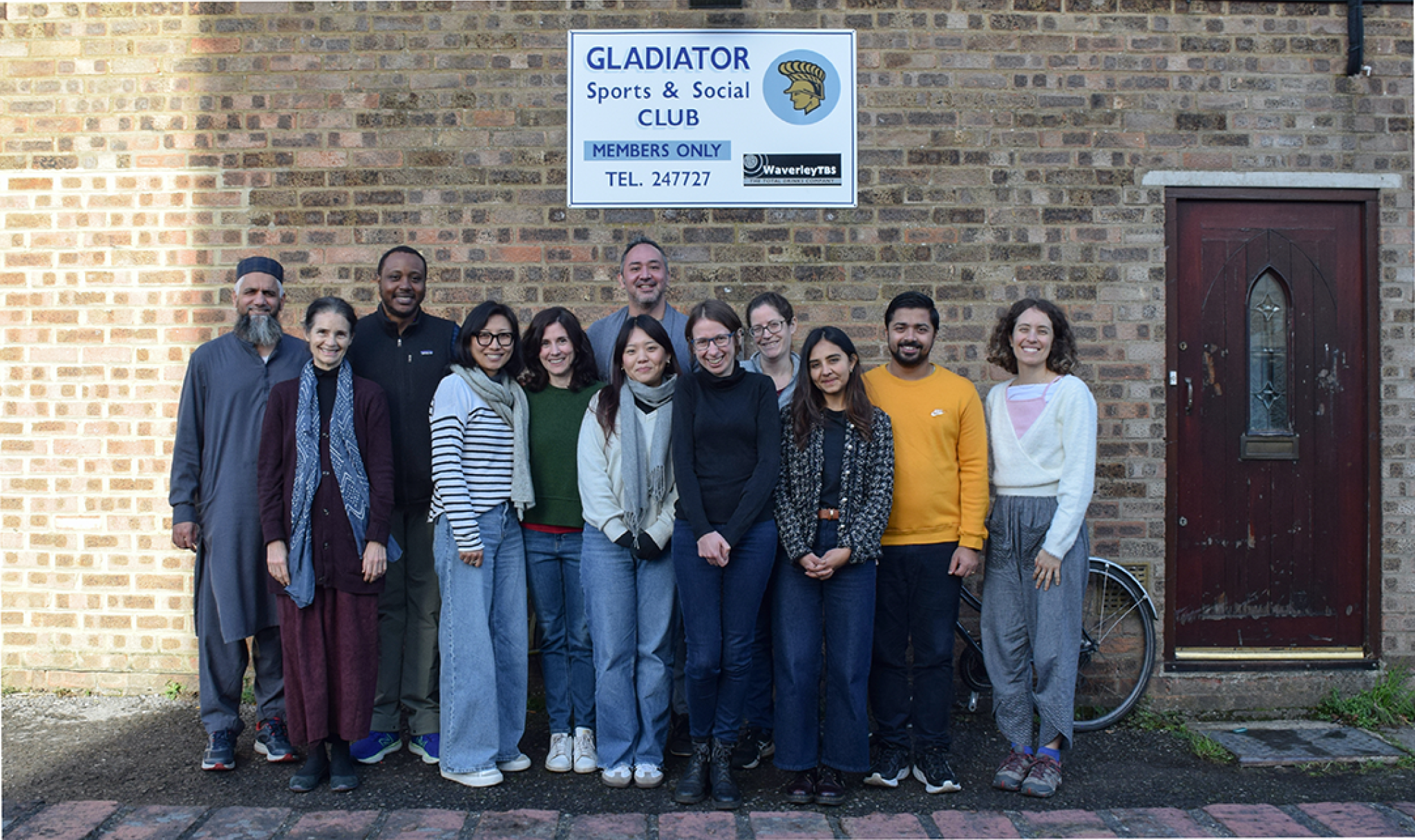
OPHI Team in January 2024 out of the office on an away day
Advancing measurement and guiding change
According to the Sustainable Development Goals (SDGs) of the United Nations:
Poverty is the greatest global challenge and an indispensable requirement for sustainable development.
Traditionally, poverty has been defined and measured using monetary measures. These are unidimensional and track a household's consumption and expenditure. It is now widely recognised that poverty is, in fact, multidimensional, and that by adding a multidimensional approach to poverty measurement, we can achieve a complementary and clearer picture of the overlapping challenges facing poor people. This is one reason why the first of the Sustainable Development Goals of the United Nations includes a target for reducing multidimensional poverty by half by 2030.
OPHI's aim is to foster the multidimensional understanding and practice of measuring poverty and wellbeing. We do this using the Alkire-Foster method (or 'AF method'), which shows both the breadth and depth of poverty in a society. By monitoring poverty indicators across a range of dimensions, such as a household's health, education and living standards, it is possible to gain a greater understanding of the overlapping deprivations poor people face.
Our most widely known tool using the AF method is the Multidimensional Poverty Index, or MPI. National MPIs are one of the leading forms of multidimensional poverty measurement around the world.
OPHI works towards a world with zero poverty by:
- Advancing the methodology of measurement: OPHI pioneered the MPI and continues to work on improving the methodology and analysis of measures of poverty and wellbeing. Our research is demand-driven by governments and international agencies, and collaborative. We regularly work in partnership with other international institutions, such as agencies of the UN and the World Bank, as well as with researchers from around the world.
- Building capacity worldwide: OPHI works with policy actors across governments, international agencies and civil society to build skills to create and implement technically robust and policy-relevant measures. This is achieved through in-person and online trainings, courses, a Summer School, and an Executive Education programme. OPHI teaches on graduate level courses at the University of Oxford, including a Poverty and Human Development module within the MPhil in Development Studies at the Oxford Department of International Development, and supervises doctoral theses on related topics.
- Monitoring global multidimensional global poverty: OPHI publishes the annual global Multidimensional Poverty Index (MPI) with the United Nations Development Programme (UNDP) to monitor global poverty levels from a multidimensional perspective, highlight areas of progress and flag who is being left behind.
- Raising awareness: OPHI's work is shared in journals; publications; courses; international seminars; and, digital, print, broadcast and social media. OPHI also acts as the secretariat of the Multidimensional Poverty Peer Network (MPPN), which promotes knowledge sharing among policymakers from national governments and international agencies and advocates for better poverty measurement and poverty reduction policies.
The work of OPHI is grounded in the Capability Approach of Nobel Economist, Amartya Sen, which encourages a focus on empowering people to be free from the interlocking burdens impeding their quality of life.
OPHI has been recognized for the impact of its work through the Queen’s Anniversary Prize in 2020 and the ESRC 'Celebrating Impact' prize in 2014. It was also recognized by an expert panel as among the top 20 of nearly 7,000 impact case studies submitted by researchers to the Research Excellence Framework (REF) in 2014. OPHI's Director, Professor Sabina Alkire, was voted one of the top 100 thinkers by Forbes magazine in 2010.
OPHI is kindly supported by contracts, grants and donations from governments, international agencies, foundations, and individuals. Please contact us if you would like to support our work.